October 18, 2026
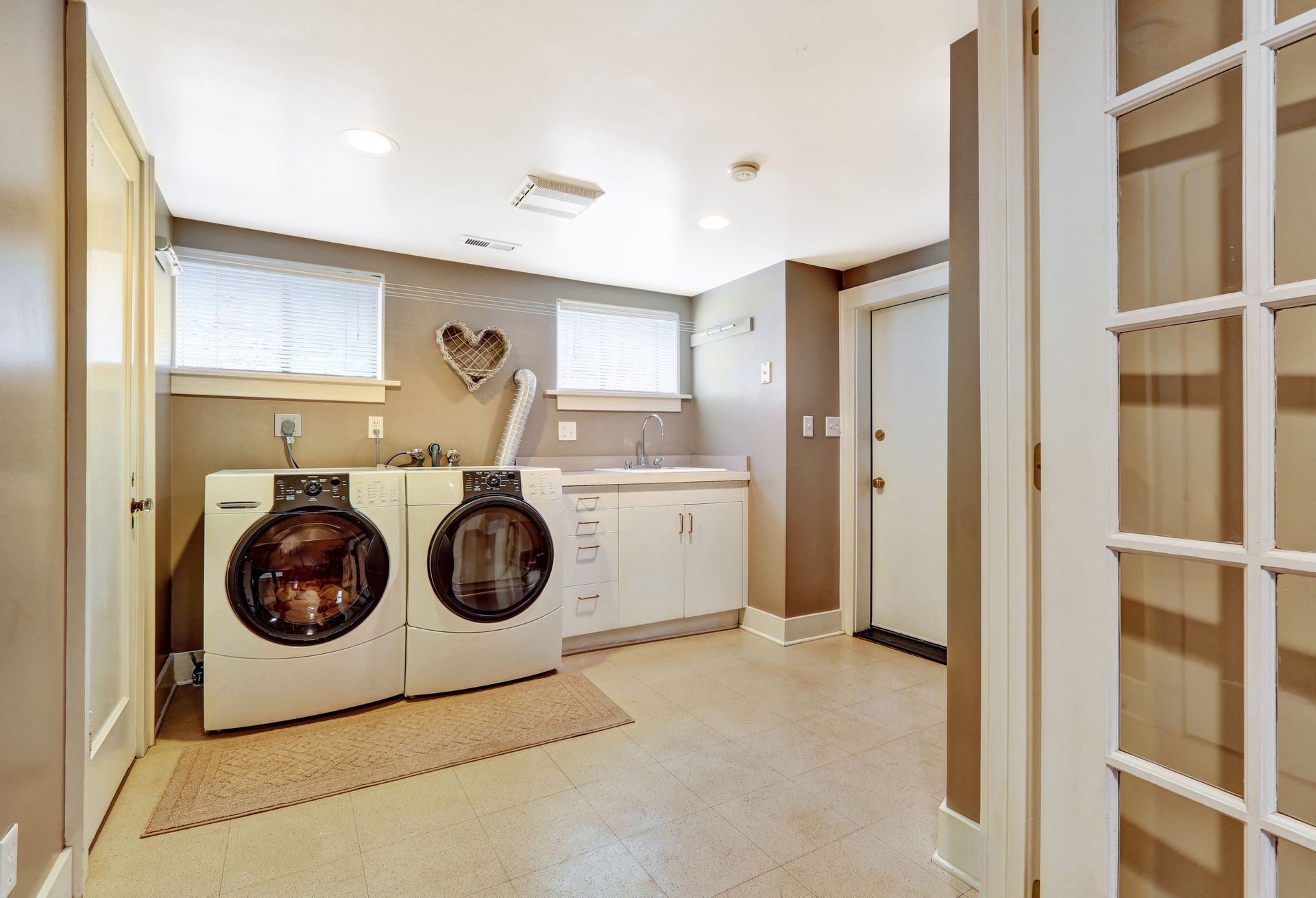
A well-organized laundry room can make everyday household chores easier, reduce clutter, and help keep clothing and cleaning supplies accessible. Even a small space can become more functional with thoughtful storage, clearly defined work areas, and simple routines. By making the most of available space, homeowners can create a laundry room that supports their household's needs without sacrificing convenience or appearance. The right laundry room organization strategies can also help maintain a cleaner, more orderly home.
Maximize Vertical Storage Space
When floor space is limited, looking upward can create valuable storage opportunities. Walls above the washer and dryer often offer unused space for shelves, cabinets, or other storage solutions. Taking advantage of vertical space helps keep frequently used items within reach while reducing clutter on countertops and appliances. This approach to laundry room organization makes better use of available space without crowding essential work areas.
Wall-mounted shelves are useful for storing detergent, fabric softener, stain removers, and laundry accessories. Cabinets provide a more concealed option for keeping supplies organized and maintaining a clean appearance. Closed storage can be particularly helpful in busy households where numerous products compete for space.
Consider these ways to improve vertical storage:
- Install shelves above the washer and dryer for frequently used supplies.
- Use cabinets to store extra detergent, cleaning products, and household essentials.
- Place less-used items on higher shelves while keeping everyday necessities accessible.
- Add labeled containers to group smaller items, such as clothespins, dryer balls, and lint rollers.
Before installing shelves or cabinets, measure the available wall space and account for appliance doors, ventilation requirements, and convenient access. Proper planning helps prevent storage additions from interfering with daily laundry tasks.
Create Dedicated Sorting Areas
Sorting clothes before washing helps simplify laundry routines and reduces the likelihood of mixing items that require different care. A designated sorting area gives every load a place to go, rather than allowing dirty clothing to accumulate in random baskets throughout the room.
Separate hampers can be assigned to whites, darks, colors, and delicate garments. In larger households, individual hampers for family members may also help streamline the process. Choose containers that fit comfortably within the available space and remain easy to access.
For smaller laundry rooms, narrow hampers, stackable bins, or pull-out baskets can provide useful alternatives to bulky containers. If several people share laundry responsibilities, clear labels can make the system easier for everyone to follow.
A well-planned sorting station should allow clothing to move naturally from collection to washing. Position the hampers near the washer when possible, and leave enough clearance to open lids, remove baskets, and move between appliances safely. These simple adjustments can make laundry room organization more practical for everyday use.
Improve Cabinet and Drawer Functionality
Cabinets and drawers help keep laundry supplies contained, but their usefulness depends on how well the interiors are arranged. Without a clear system, small products can disappear behind larger containers, and frequently used items may become difficult to reach.
Start by grouping supplies according to their purpose. Keep detergents and stain treatments together, organize garment-care accessories in a separate area, and designate a drawer or container for small items that tend to get lost. Drawer dividers and adjustable shelf organizers can help maintain these categories.
According to the Freedonia Group, demand for cabinets in the United States is projected to grow at an average rate of 1.1% annually, reaching 135 million units in 2028. This forecast reflects continued demand for cabinetry and highlights its role in residential storage planning.
When selecting laundry room cabinets, consider both appearance and function. Adjustable shelves can accommodate products of different heights, while drawers make smaller accessories easier to retrieve. Cabinet doors can also help keep supplies out of sight, creating a more streamlined environment.
Establish Convenient Folding and Hanging Stations
A dedicated folding area can reduce the amount of time clothing spends sitting in baskets after a wash cycle. A countertop above front-loading appliances, a sturdy folding table, or a wall-mounted work surface can provide space for folding towels, sorting clean garments, and preparing clothes for storage.
The best option depends on the room's dimensions and the household's laundry habits. A permanent countertop can create a consistent workspace, while a fold-down table may be more appropriate when floor space is limited. Keep the surface clear between loads so it is ready whenever needed.
A hanging station can also make the room more versatile. A wall-mounted rod or retractable drying rack provides a place to air-dry delicate garments, hang shirts immediately after drying, or temporarily store clothes that need attention.
To make these work areas more effective:
- Position folding surfaces near the dryer to minimize unnecessary movement.
- Keep hangers close to the hanging station for quick access.
- Choose a drying rack that fits the available space without obstructing walkways.
- Store folding accessories and garment-care tools in nearby drawers or cabinets.
Separating folding and hanging tasks from sorting and washing can help create a more predictable workflow. When each activity has a designated place, it becomes easier to complete loads without repeatedly rearranging the room.
Organize Small Supplies and Accessories
Small laundry accessories can quickly create clutter when they lack designated storage. Items such as clothespins, mesh garment bags, lint rollers, sewing kits, and spare buttons are easy to misplace, especially when they are scattered across shelves or countertops. Effective laundry room organization keeps these essentials accessible while maintaining a tidy, functional space.
Small bins, drawer dividers, and labeled containers help keep these items organized. Clear containers make it easier to identify contents at a glance, while divided drawers prevent accessories from becoming mixed together. Choose storage options that fit the available cabinets and remain easy to clean.
It is also helpful to establish a specific place for items that need special attention. A small container for missing buttons, a basket for clothes awaiting repairs, or a separate bin for garments requiring stain treatment can prevent unfinished tasks from becoming mixed with clean laundry.
Make the Most of Small Laundry Rooms
Limited square footage does not have to prevent a laundry room from functioning efficiently. A compact space often benefits from storage that serves multiple purposes, equipment arranged carefully, and a layout that minimizes obstacles. Effective laundry room organization helps homeowners make the most of every available inch without sacrificing convenience.
Stackable washer and dryer units can free up floor space when compatible appliances and installation requirements allow. Slim rolling carts can fit into narrow gaps between appliances and walls, providing additional storage for detergent and other essentials. Over-the-door organizers may also help accommodate lightweight supplies without requiring additional floor space.
For a smaller room, prioritize the items and activities that require the most frequent access. Keep detergent near the washer, place hampers where clothing can be sorted conveniently, and reserve the easiest-to-reach shelves for everyday products. Seasonal supplies and backup products can be stored in less accessible areas.
Maintain an Organized Laundry Routine
Even a thoughtfully arranged laundry room can become cluttered without consistent maintenance. Establishing a few simple habits helps preserve the room's functionality and prevent small messes from becoming larger organizational problems. Consistent laundry room organization also makes it easier to keep supplies accessible and daily chores manageable.
Return detergent, stain removers, and other supplies to their designated locations after each use. Empty lint traps according to the appliance manufacturer's instructions, remove empty packaging, and wipe down work surfaces regularly. These small tasks help keep the space clean while making supplies easier to find.
A weekly reset can also help maintain order. Restock frequently used products, return misplaced items to their storage areas, and remove clothing or household objects that do not belong in the room. Check sorting hampers and folding surfaces to ensure they remain ready for the next load.
Create a More Functional Laundry Space
An organized laundry room supports smoother household routines by making supplies easier to access, improving workflow, and reducing unnecessary clutter.
From maximizing vertical storage to creating sorting stations and maintaining consistent habits, small improvements can make a noticeable difference in how the space functions. Effective laundry room organization starts with a setup that reflects the household's needs, available space, and everyday laundry habits.
Contact Utah Closet Connection to explore custom storage solutions that help make your laundry room more organized, practical, and functional.