October 30, 2026
Opening a crowded closet should not mean shifting one pile to reach another. When shelves, rods, drawers, and accessories match what a household actually stores, even a modest closet becomes easier to use. The best improvements begin with an inventory rather than a shopping trip. Measure the space, account for doors and walkways, and identify what needs to be within reach each day.
A closet organization system should also accommodate change. Seasonal clothing, shared storage, and changing household routines can alter what belongs in the closet. Flexible components make those adjustments easier without requiring a complete redesign. The following ideas focus on getting more from the available space while creating a layout that feels comfortable and personal.
Make Better Use of Vertical Space
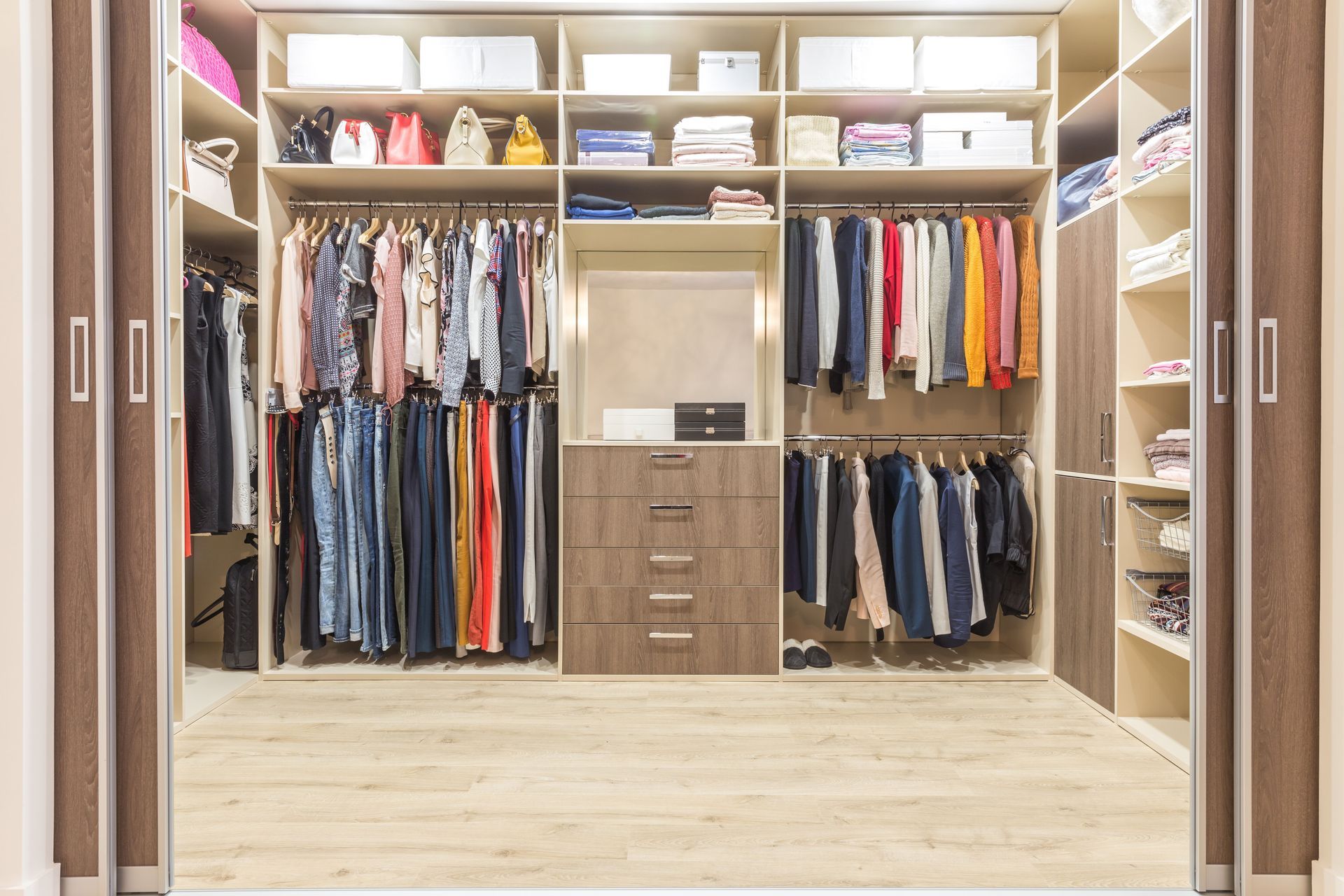
Look above the existing hanging rod and below the longest garments before deciding that a closet lacks room. Upper shelves can hold labeled containers of off-season clothing, spare bedding, or rarely used accessories. Everyday items belong closer to eye level, where they can be retrieved without moving several other things first.
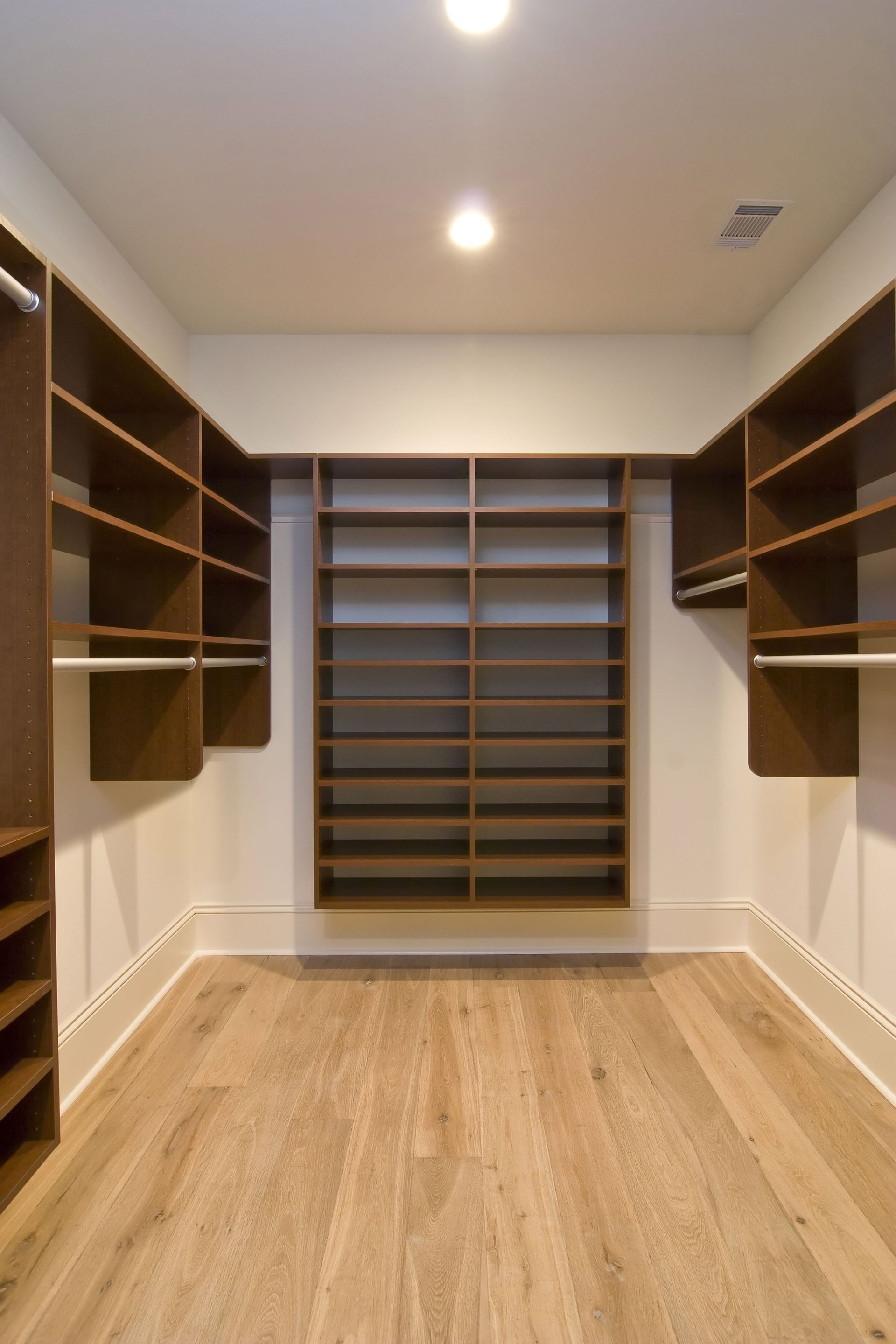
Adjustable shelves are particularly useful because storage needs rarely stay the same. Spacing that accommodates folded sweaters today might need to fit handbags or storage baskets later. Corner shelves can put awkward areas to work, while a narrow shelf tower can separate folded items from hanging clothes. Avoid stacking heavy containers beyond a safe, comfortable lifting height.
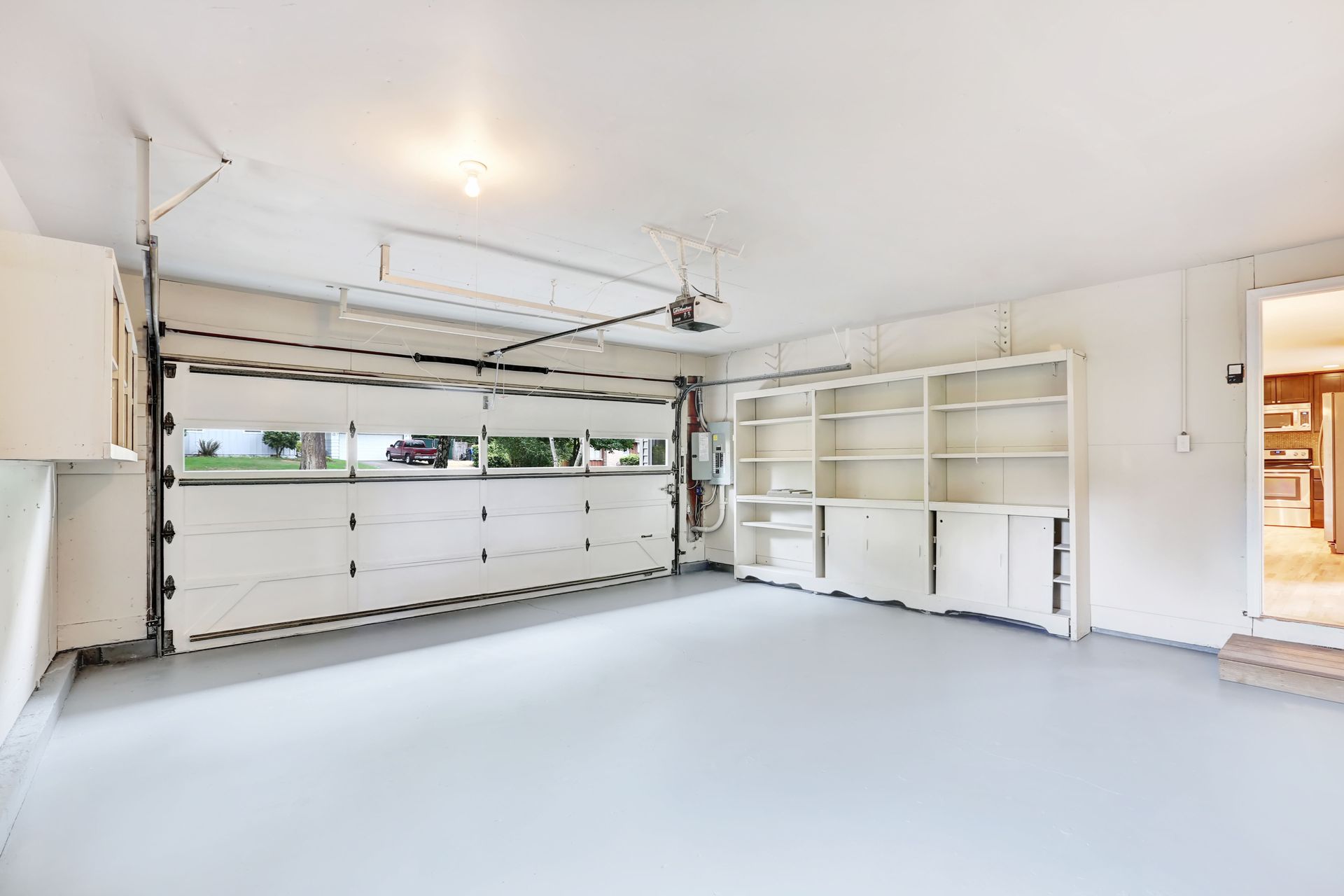
Wall-mounted organizers offer another option when conventional shelving will not fit. According to Garage Living, a well-organized slatwall can increase storage capacity by as much as 30% without needing additional floor space. A closet organization system can use compatible hooks and baskets to store belts, bags, and smaller items. The actual gain depends on the wall area, installation, and items stored. Give each shelf a clear purpose, with enough room to remove and return items easily.
Arrange Hanging Space Around Daily Use
A single rod is not always the most practical arrangement. If most garments are shirts, folded pants, and shorter jackets, two hanging levels can make better use of vertical space. Reserve a full-height section for dresses, long coats, or other pieces that need room to hang without creasing.
Before changing the layout, group clothing by length and estimate how much rod space each category requires. Leave room between hangers rather than packing garments so tightly that they become difficult to see. Sturdy hangers support heavier clothing, while padded or appropriately shaped hangers help protect delicate fabrics. Matching hangers can create a consistent appearance, but accessibility and garment care matter more than uniformity.
Adjustable rods and reachable hooks can also improve a shared closet. Place frequently worn items at comfortable heights for the people using the space, and use lower hooks or sections when needed. A closet organization system should make a normal morning easier, not force anyone to stretch, bend, or move a stack of clothing to reach everyday essentials.
Give Shoes and Accessories Dedicated Zones
Shoes and accessories often end up scattered because their shapes and sizes do not fit neatly on standard shelves. Start by separating frequently worn footwear from occasional pairs. Open racks or angled shelves make daily shoes easy to identify, while boxes or enclosed cubbies can help protect pairs worn less often. Leave space for taller boots so their shafts are not bent or crushed.
Small belongings benefit from equally specific homes. A tray near the front of a shelf can hold watches and jewelry; hooks can keep handbags, scarves, and belts visible without tangling. Drawer inserts work well for items that would otherwise collect at the bottom of a larger compartment. Store heavier bags on supportive shelves rather than hanging them by delicate straps.
Not every item needs a display. Some households prefer a clean look with closed storage, while others want favorites visible and easy to reach. Either approach can work when it reflects daily habits. The most useful closet organization system provides designated spaces for the belongings people actually own instead of making them adapt to an impractical arrangement.
Divide Drawers Into Useful Compartments
Drawers can make a closet feel calmer, provided their contents are easy to find. Without dividers, socks, accessories, and folded clothing may slide into one another whenever a drawer opens. Simple organizers create boundaries without requiring additional furniture. Shallow compartments suit smaller items, while deeper drawers can accommodate bulkier clothing and seasonal layers.
Choose drawer dimensions based on how the contents will be stored. For example, folded shirts may be easier to see when arranged upright, but heavier sweaters often need broader spaces that do not compress the fabric. Keep frequently used items in drawers that are comfortable to reach, with less-used belongings higher or lower depending on accessibility.
Soft-close hardware can reduce noise, and clear-front bins can make stored items easier to identify. Neither is essential to an effective layout. Prioritize durable materials, smooth operation, and enough clearance for drawers to open fully. If a closet organization system includes modular dividers, the same drawers can be rearranged as clothing collections and storage needs evolve.
Add Technology Only Where It Helps
Good lighting often makes a bigger difference than complicated gadgets. A closet with deep corners or dark finishes can be difficult to navigate even when everything has a designated place. LED strips, battery-operated lights, or properly installed fixtures can illuminate shelves and hanging areas so colors and details are easier to distinguish. Motion-activated lighting may be convenient when hands are full.
Technology can also support people who manage extensive wardrobes. A simple inventory app or photo album can help track stored clothing, record outfits, or remember what has been packed away for another season. For most homes, however, the best digital tool is one that is easy to maintain. An elaborate catalog offers little value if updating it becomes another chore.
Specialized features such as motorized rods or electronic locks may suit particular needs, budgets, and layouts. Check installation requirements and access needs before committing to them. A closet organization system should remain useful during a power outage or device failure; basic visibility and intuitive storage are still the foundation of an accessible space.
Coordinate Materials, Lighting, and Finishes
An organized closet can also feel like a natural extension of the home. Choose finishes that suit the surrounding room and are easy to clean. Light surfaces can brighten a small area, while darker shelves may create a more tailored appearance when paired with sufficient lighting. Wood-look laminates, painted surfaces, and metal accents offer different combinations of maintenance, durability, and style.
A mirror can support outfit selection and make a narrow space feel more open, but it should not interfere with drawers or doors. Baskets and bins look cohesive when their sizes relate to the shelving rather than simply matching in color. Labels can be understated and still help everyone return items to the correct place.
The overall design should support visibility, comfortable movement, and straightforward upkeep. A closet organization system that looks attractive in photographs but blocks access to daily essentials will quickly become frustrating. Aim for a balance between personal style and practical use, leaving some room for new belongings instead of filling every inch immediately.
Keep the Layout Working Over Time
Even a thoughtful layout needs occasional attention. A seasonal review is a chance to move less-used items, clear damaged containers, and adjust shelves before clutter accumulates. Return frequently used belongings to the easiest locations and reconsider any storage area that repeatedly becomes disorganized.
For homeowners exploring a more tailored solution, Utah Closet Connection can be a starting point for discussing layout preferences and available space. The most successful closet is not necessarily the largest or most elaborate. It is one that helps the people using it find what they need and put it away with minimal effort.