February 19, 2026
In today’s fast-paced world, maintaining an organized home is increasingly seen as more than just a choice—it is a necessity tied closely to efficiency, comfort, and peace of mind. Among the various areas of a home, closets often go unnoticed despite playing a central role in daily routines. Clothing, accessories, seasonal items, and personal belongings all pass through this space, making its design especially impactful. This article explores why investing in a closet organization system is not only practical but also essential for enhancing home functionality and long-term lifestyle quality. According to the Business Research Company, the closet organizer market size will grow to $11.58 billion in 2029 at a compound annual growth rate (CAGR) of 8.6%, reflecting the increasing importance homeowners place on organized living solutions.
Maximizing Space Utilization
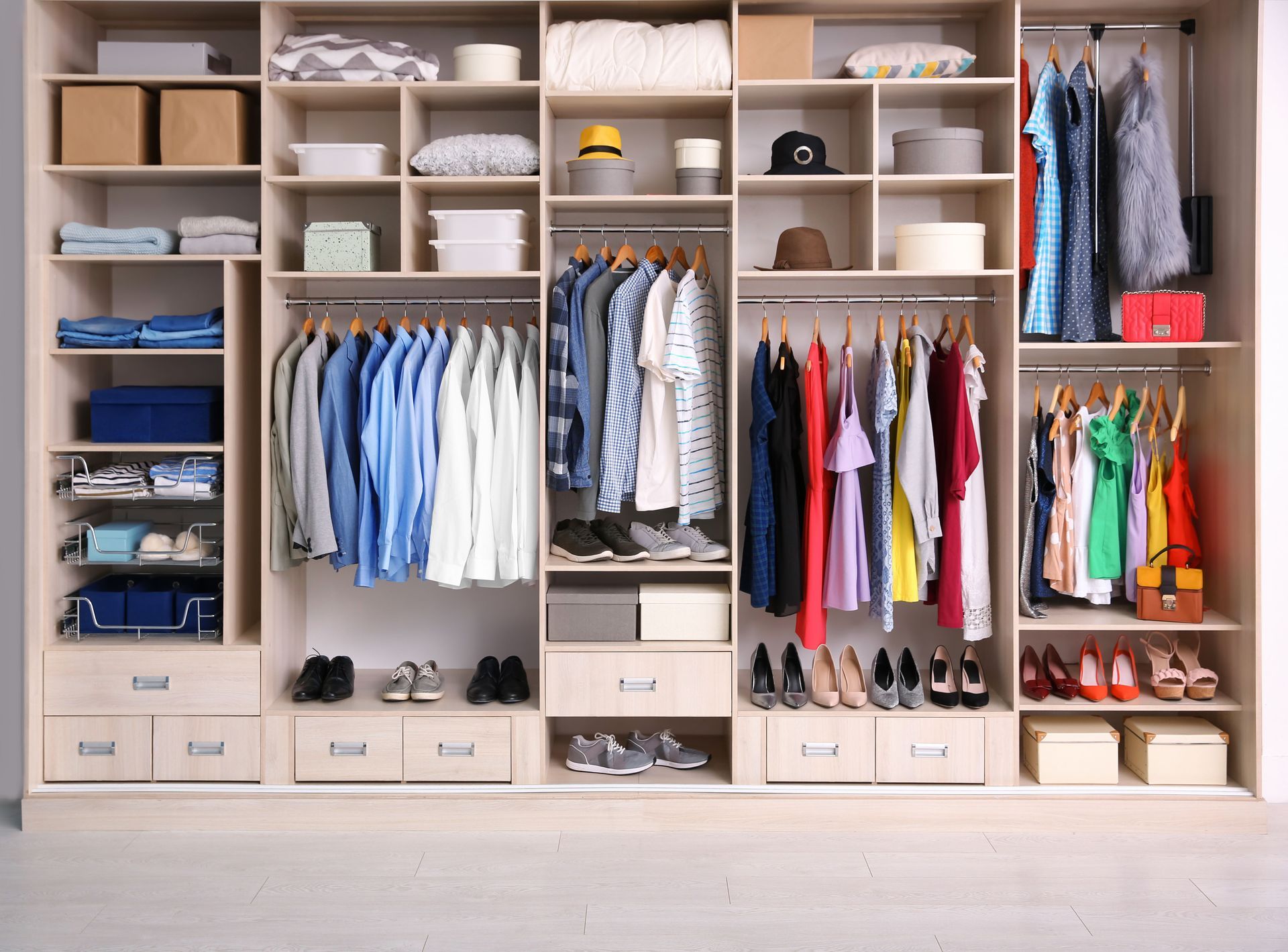
Many homeowners underestimate how much usable space exists within their closets. Floor space is often prioritized, while vertical and corner areas remain underused. Thoughtful storage solutions allow every inch of a closet to serve a purpose, transforming even compact layouts into efficient storage zones. When space is fully optimized, clutter is reduced and organization becomes easier to maintain over time.
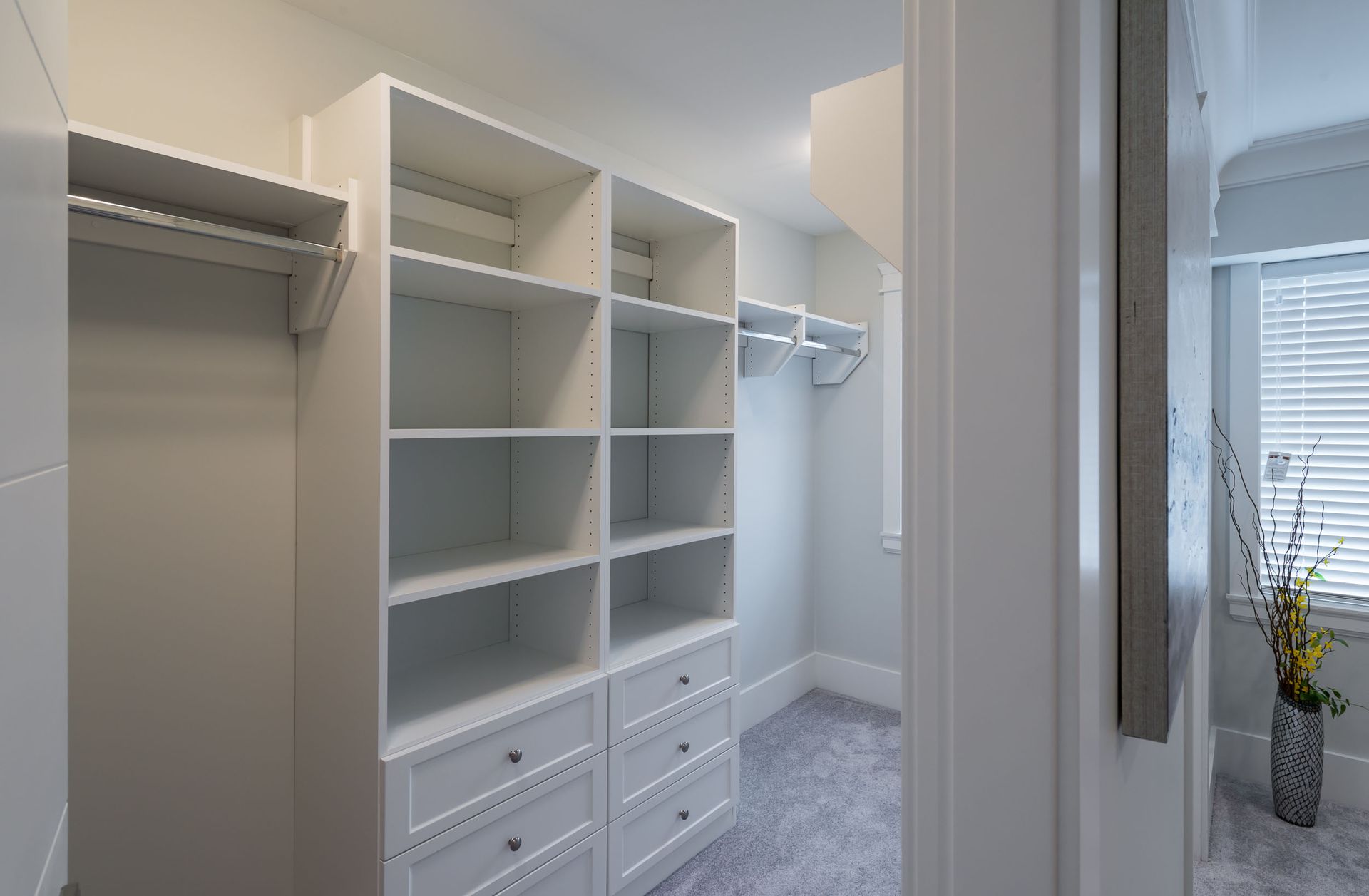
Using vertical space effectively allows less frequently used items to be stored higher, freeing up accessible areas for daily necessities. Adjustable shelving and well-placed hanging rods help accommodate items of varying lengths and sizes. With a closet organization system in place, homeowners gain the ability to customize storage in ways that static shelving simply cannot provide.
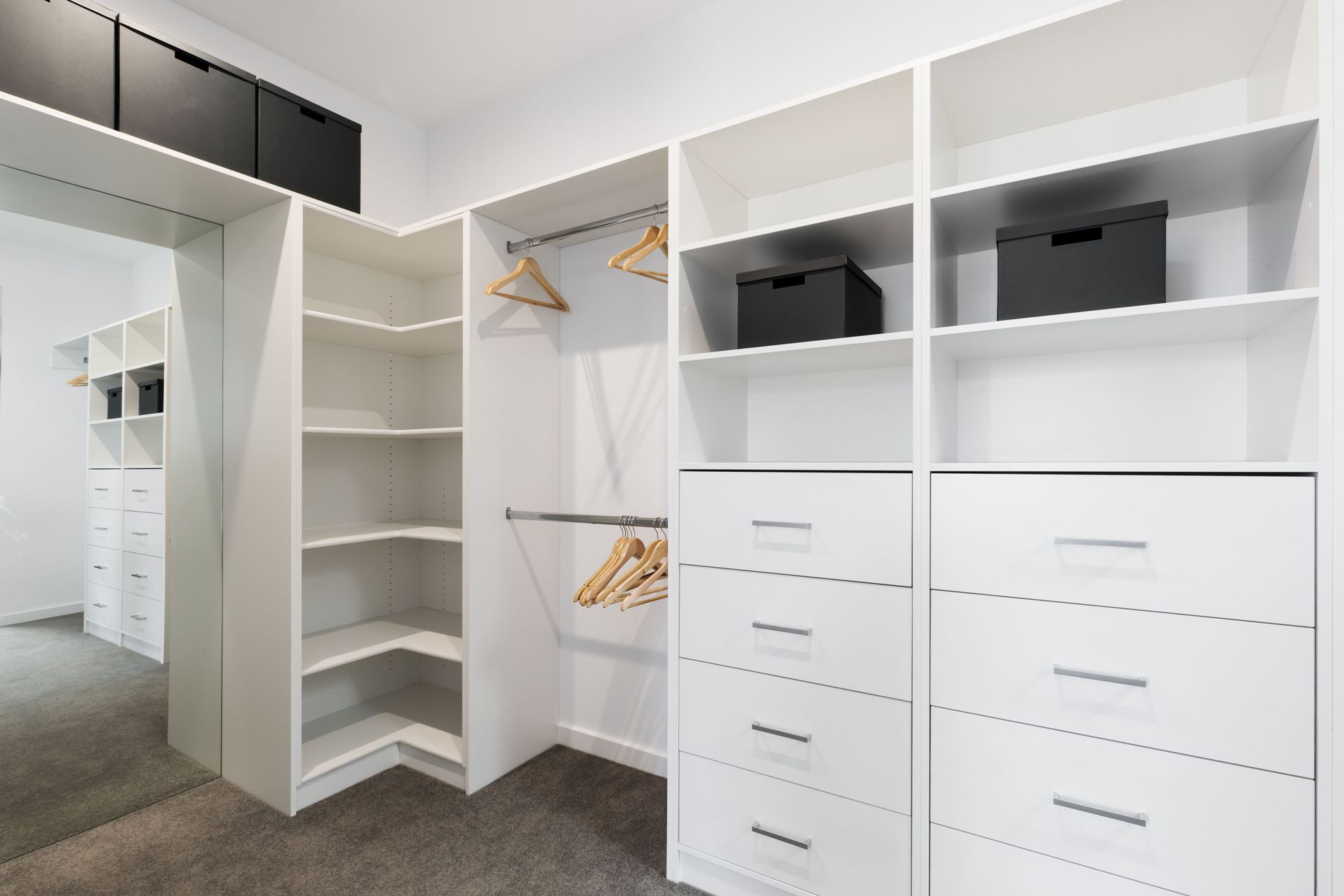
Layout planning also plays a critical role in maximizing space. Strategic placement of shelves, drawers, and hanging areas ensures smooth movement within the closet and prevents overcrowding. A well-considered design accounts for how doors open, how often items are accessed, and how storage needs may change throughout the year.
Enhancing Accessibility and Daily Convenience
An organized closet streamlines daily routines by eliminating unnecessary searching and decision fatigue. When clothing and accessories are arranged logically, getting ready becomes faster and more enjoyable. This efficiency is particularly valuable during busy mornings, where small delays can create unnecessary stress.
Accessibility improves significantly when storage is designed around the user. Frequently worn items are kept within easy reach, while seasonal or specialty items are stored in clearly defined areas. A properly planned closet organization system ensures that every item has a designated location, reducing the temptation to pile belongings wherever space is available.
Ease of use is further enhanced through thoughtful spacing and intuitive layouts. When shelves are positioned at comfortable heights and drawers glide smoothly, the closet becomes a functional extension of daily living rather than a source of frustration. Over time, these conveniences add up to meaningful improvements in efficiency and comfort.
Elevating Visual Appeal and Interior Design
Closets are no longer viewed solely as utilitarian storage spaces. Increasingly, they are seen as integral parts of a home’s interior design. Clean lines, coordinated finishes, and cohesive layouts contribute to a polished look that complements surrounding rooms.
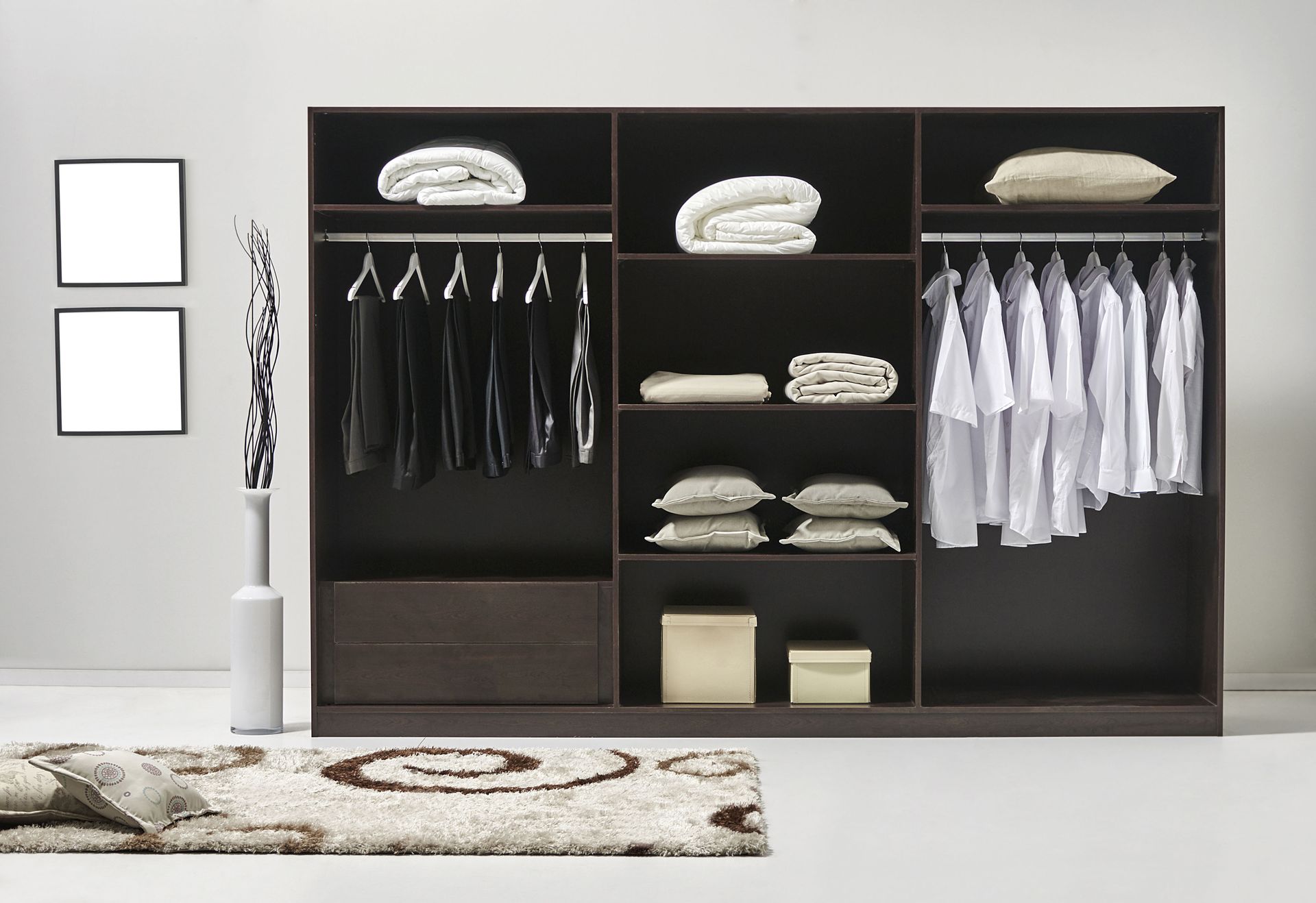
Material and finish choices play a major role in visual appeal. Neutral tones create a calm atmosphere, while darker finishes add depth and sophistication. With a well-designed closet organization system, homeowners can achieve a balance between aesthetics and practicality, ensuring the space looks as good as it functions.
Design flexibility allows closets to align with broader home décor themes. Whether a homeowner prefers minimalist simplicity or a more refined appearance, organized storage supports visual harmony. A visually pleasing closet encourages long-term upkeep, as homeowners are more inclined to maintain a space that feels intentional and refined.
Increasing Property Value and Buyer Appeal
Well-designed closets can significantly influence how a home is perceived in the real estate market. Buyers often view organized storage as a reflection of overall home care, associating it with cleanliness, efficiency, and thoughtful design. These impressions can have a direct impact on purchasing decisions.
Homes featuring a functional closet organization system often stand out in listings, especially in competitive markets. Organized storage suggests move-in readiness and reduces the need for immediate upgrades, making the property more attractive to prospective buyers.
Beyond visual appeal, organized closets signal long-term practicality. Buyers recognize the value of storage solutions that support modern lifestyles, contributing to a sense of convenience and livability that extends beyond square footage alone.
Supporting Sustainable and Mindful Living
Organization plays a key role in reducing waste and encouraging thoughtful consumption. When belongings are visible and accessible, homeowners are less likely to make unnecessary purchases or duplicate items they already own.
A structured closet organization system supports sustainability by promoting intentional ownership. Clothing and accessories are easier to rotate, maintain, and donate when no longer needed. This awareness fosters responsible habits that align with environmentally conscious living.
Efficient lighting and durable materials further contribute to sustainability. Energy-saving features and long-lasting components reduce both environmental impact and long-term costs, making organized storage a responsible investment for modern households.
Promoting Long-Term Organization and Adaptability
Life changes often bring evolving storage needs, from growing families to downsizing or shifting lifestyles. Adaptable closet solutions allow homeowners to reconfigure layouts without starting from scratch, preserving both time and resources.
A flexible closet organization system supports these transitions by accommodating new items while maintaining order. Adjustable components make it possible to modify storage as needs change, ensuring long-term usability without compromising organization.
This adaptability reduces the likelihood of clutter returning over time. When storage evolves alongside lifestyle changes, organization becomes sustainable rather than temporary.
Improving Household Efficiency Over Time
Long-term household efficiency depends on how well storage solutions support everyday habits. When belongings are consistently returned to designated spaces, routines become smoother and less time-consuming. Organized storage reduces decision fatigue by removing uncertainty about where items belong, allowing household members to move through their day with fewer interruptions.
As routines stabilize, maintenance becomes simpler. Instead of periodic deep cleanouts, organization is maintained through small, consistent habits that require less effort. This efficiency is especially valuable in shared households, where clarity around storage expectations helps prevent disorder and frustration.
Supporting Multi-Use Living Spaces
Modern homes often rely on rooms serving multiple purposes, making effective storage even more important. Closets frequently double as storage for work attire, athletic gear, luggage, and household supplies. Clear organization helps these diverse items coexist without creating clutter or confusion.
When storage supports multiple functions, homeowners gain flexibility in how they use adjacent living spaces. Bedrooms feel more open, entryways remain uncluttered, and living areas maintain a clean, intentional appearance. This balance supports both functionality and comfort throughout the home.
Encouraging Consistent Organization Habits
Well-structured storage naturally reinforces good habits. When organization feels intuitive rather than restrictive, individuals are more likely to maintain it. Clear visual cues and logical placement make it easier to return items to their proper locations without conscious effort.
Consistency builds confidence in the system itself, reducing the temptation to create temporary storage solutions that lead to clutter. Over time, an organization becomes a normal part of daily life rather than a recurring project that requires frequent correction.
Adapting to Seasonal and Lifestyle Changes
Storage needs shift throughout the year as seasons change and lifestyles evolve. Clothing rotations, special equipment, and holiday items all require temporary adjustments. Flexible layouts allow these transitions to happen smoothly without disrupting overall order.
This adaptability ensures that storage remains practical regardless of changing circumstances. By accommodating both short-term and long-term needs, organized closets continue to provide value year after year without requiring major overhauls.
Enhancing Personal Well-Being and Mental Clarity
Physical environments have a direct impact on mental well-being, and organized spaces often promote calm and clarity. A tidy closet reduces visual clutter, creating a more peaceful atmosphere within the home.
Knowing where items are located minimizes frustration and supports smoother daily routines. With a thoughtfully designed closet organization system, homeowners experience reduced stress and greater confidence in their living spaces.
Over time, this sense of order can extend beyond the closet, influencing broader organizational habits and encouraging a more balanced lifestyle. An organized environment supports focus, relaxation, and a stronger sense of control over daily life. Contact our team Utah Closet Connection today to get connected with our organization services.