Introduction
That awkward gap between your upper cabinets and the ceiling. You know the one. It collects dust, catches grease, and somehow always ends up holding a random assortment of holiday platters nobody remembers buying.
Most homeowners either ignore this space or cram it full without a plan. Neither approach works long-term.
That same gap can boost your kitchen's visual height and add real functional storage, especially in smaller kitchens where every inch counts. It just takes the right strategy.
This guide covers everything you need to know:
- What this space is actually called
- Practical storage hacks that work
- Styling ideas that look intentional, not cluttered
- Maintenance tips to keep grease at bay
- A permanent renovation option for homeowners ready to solve the problem for good
Key Takeaways
- This gap is called a soffit when boxed in, or an open cabinet-top space when exposed
- Woven baskets, canisters, and cubbies turn dead space into functional storage for backup items
- Monthly dusting prevents the grease buildup that makes this area frustrating to maintain
- Extending cabinets to the ceiling eliminates the problem permanently and adds real storage
What Is the Space Above Kitchen Cabinets Called?
There's some confusion here, and this section clears it up before you plan anything.
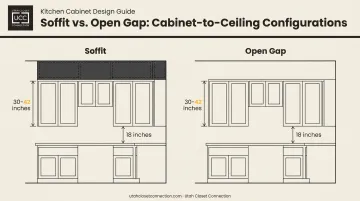
A soffit refers to a boxed-in, drywalled enclosure that builders construct to bridge the gap between cabinet tops and the ceiling. It's a permanent structural feature built into the wall framing during construction. Some people also call this a bulkhead, though that term isn't used as consistently across the industry.
If your cabinets simply stop short of the ceiling with nothing built in above them, you're dealing with an open gap, not a soffit. That distinction matters when you're researching solutions or talking to a contractor.
Why Builders Leave This Gap in the First Place
Standard upper cabinets typically run 30 to 42 inches tall and get installed about 18 inches above the finished countertop, according to guidance from This Old House. Ceiling heights vary from home to home, so a cabinet sized for one kitchen often leaves a gap in another.
Rather than customizing every cabinet run to the exact ceiling height, builders install standard sizes and let the space above sit open. It's efficient for construction, but it leaves homeowners to figure out what to do with that leftover space themselves.
Practical Storage Ideas for the Space Above Cabinets
This space works best for items you don't need daily. Think backup supplies, seasonal tools, and things you'd rather not store on your counter.
Woven baskets and bins are the easiest entry point. Matching wicker or rattan baskets hide clutter while adding texture. Use them for:
- Backup pantry staples (extra napkins, paper towels, disposable containers)
- Infrequently used kitchen tools (specialty gadgets, holiday-specific items)
- Linens or dish towels you rotate seasonally
Label each basket so you're not pulling three down just to find the piping bags.
Decorative canisters or jars work well for bulk dry goods like flour, sugar, grains, or whole coffee beans that don't need daily access. Glass or ceramic vessels do double duty as storage and decor, so you're not sacrificing style for function.
Building Custom Compartments
If you want more structure than baskets alone provide, consider installing simple cubbies or dividers. Companies like Utah Closet Connection can build these compartments to fit your exact cabinet dimensions, giving each basket or bin its own designated spot instead of a one-size-fits-all shelf.
This approach works especially well if you're storing multiple categories of items and want to avoid the "grab and hope" search method.
Small appliances you use only occasionally, like a slow cooker, a roaster, or seasonal gadgets, can live up here too. Slip fabric covers over them to keep the look uniform and protect them from dust between uses.
Two more ideas worth trying:
- Recipe library: Stack cookbooks or store recipe cards in lidded boxes above the cabinets, freeing up valuable counter space near your prep area
- Herb-drying rack: Mount a simple rail or hooks along the front edge of the cabinet top to hang drying herbs, turning unused vertical space into a functional prep zone
Decorative Styling Ideas to Elevate the Look
If storage isn't your priority, styling this space can dramatically change how your kitchen feels, especially in all-white kitchens that benefit from added visual interest up top.
Leaning artwork against the wall draws the eye upward. You don't need frames for every piece. A mix of framed prints and unframed art leaned casually creates a gallery feel without looking overly staged.
Curate, Don't Collect Randomly
Mismatched knickknacks read as clutter. A repeated design element, like a row of similar vases, matching plates, or coordinating candle holders, reads as an intentional still-life display instead.
According to This Old House's open shelving guidelines, repeating shapes, colors, or materials creates visual harmony. Balance bold accents with neutral pieces for the same curated effect above your cabinets.
Beyond curated objects, consider adding living elements to the mix. Greenery adds warmth, but this zone often lacks direct sunlight. Real plants need to be chosen carefully:
- Pothos does best in partial shade or bright indirect light, though it tolerates low light, per Better Homes & Gardens
- Full sun can actually burn pothos leaves, so this isn't a "more light is better" situation
- High-quality faux greenery is a reliable backup if your kitchen gets minimal natural light
Natural textures like rattan, wicker, or dried pampas grass soften the hard lines of cabinet fronts. Mix these with your other decor for a layered, collected-over-time feel.
Consider adding a statement light fixture or a hidden LED strip behind your displayed items. This highlights the vertical space and pairs nicely with under-cabinet lighting for a cohesive, well-lit kitchen from top to bottom.
When arranging everything, vary the heights and textures, but keep your palette focused. A tight color story looks curated. A rainbow of unrelated colors looks chaotic.
Keeping the Space Clean and Safe
Grease and dust buildup is the number one complaint homeowners have about this space, and it's a valid one. Cooking naturally sends airborne grease upward, and it settles on any exposed surface nearby.
The fix is simple: line the cabinet tops with foil, wax paper, or a cut piece of linoleum. When it gets grimy, pull the liner, toss it, and replace it. No scrubbing required.
This Old House recommends dusting cabinet tops monthly as part of a regular kitchen cleaning routine, per their comprehensive cabinet cleaning guide. Areas closer to the stove need more frequent attention since grease accumulates faster there.
If you're storing or displaying items in this space, that same monthly rhythm keeps things from getting out of hand.
Safety Matters, Especially in Utah
If you live in an earthquake-prone area, and Utah qualifies, what you place up here matters beyond aesthetics.
Be Ready Utah recommends moving heavy objects to lower shelves and securing lightweight decor items with contact paper or museum putty rather than leaving them loose, according to Utah's earthquake preparedness guidance. That means:
- Skip heavy pottery or glass displays up top
- Choose lightweight, unbreakable decor for anything you place above cabinets
- Secure what you do display so it doesn't shift during minor tremors
Considering a Permanent Solution: Extending Cabinets to the Ceiling
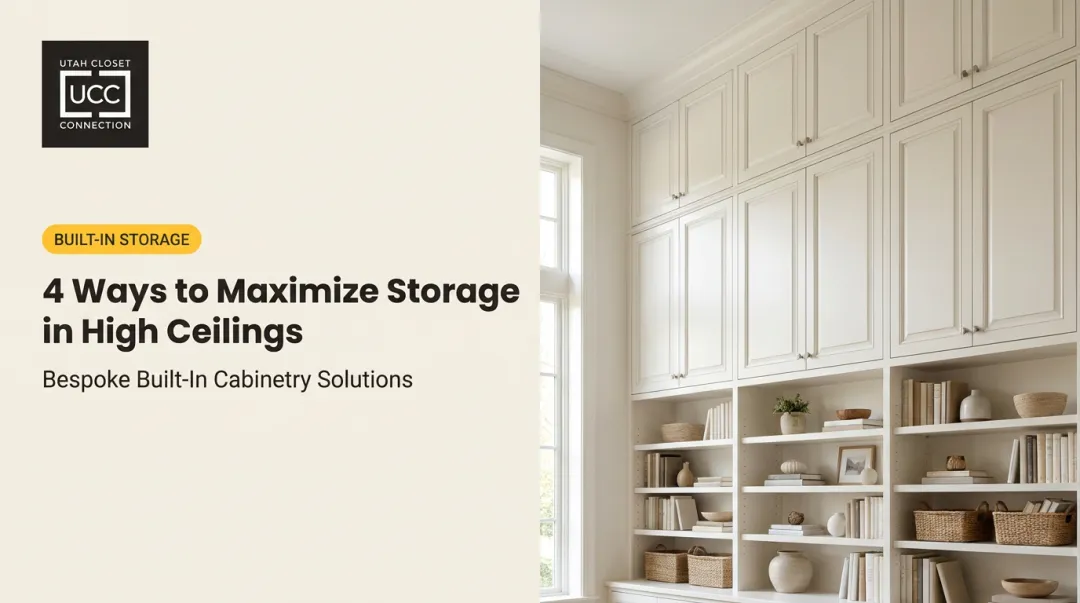
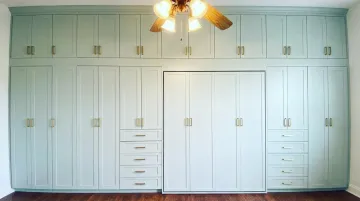
Some homeowners get tired of managing the dust and the endless styling decisions. The permanent fix is building custom upper cabinet extensions that run all the way to the ceiling.
This eliminates the exposed ledge entirely while adding genuine enclosed storage space you can actually use, not just decorative overflow.
Why this isn't a typical weekend DIY project:
- Ceilings are rarely perfectly level, so extensions need scribing and custom fillers to fit tight against an irregular surface
- Cabinets must be fastened securely to at least two wall studs using proper structural fasteners, not drywall screws, which lack adequate shear strength
- Finish matching between your existing cabinets and the new extension pieces requires precise color and grain work
According to JLC's construction guidance, wall cabinet installation demands precise handling of ceiling variance and stud placement, factors that make this a job for someone with cabinetry experience.
Working with a custom cabinetry company solves these challenges directly. Utah Closet Connection offers free design consultations and builds fully custom cabinet solutions designed to match your existing kitchen, backed by a lifetime workmanship warranty. Rather than guessing at fillers or hoping your finish matches, you get a seamless result the first time.
Beyond solving the storage and maintenance problem, extending cabinets to the ceiling gives your kitchen a more finished, custom appearance that boosts its overall value.
Frequently Asked Questions
What can I put in the space above my kitchen cabinets?
Both storage and decor work well here. Baskets, canisters, and small appliances handle function, while art, plants, and curated ceramics handle style. Choose based on whether you need extra storage or want a visual upgrade.
What is the enclosed space above kitchen cabinets called?
An enclosed, boxed-in section is called a soffit. Builders include it to bridge the gap between standard cabinet heights and the ceiling without customizing every cabinet run.
Is it bad to leave the space above cabinets empty?
Not at all. It's personal preference. Some designers embrace the negative space for a clean, minimalist look, while others prefer filling it for storage or added visual height.
How do you keep the space above cabinets from getting dusty and greasy?
Line the surface with removable foil, wax paper, or linoleum and wipe it down monthly. Areas closer to the stove may need more frequent attention due to grease buildup.
Can you add real, functional storage to the space above kitchen cabinets?
Yes. Baskets, cubbies, and dividers all create usable storage. It works best for infrequently accessed items rather than things you need daily.
Is it worth extending cabinets all the way to the ceiling?
It adds real enclosed storage and a custom, high-end look while eliminating the dust and grease issue permanently. Utah Closet Connection can extend your cabinets to the ceiling with a seamless, properly secured finish backed by a lifetime workmanship warranty.