The problem? With so many wood species, stains, and design styles on the market, choosing the right combination can feel paralyzing. Should you go with white oak or walnut? Natural grain or a deep espresso stain? Painted uppers or all-wood everything?
This guide breaks down the best wood types, the design styles homeowners are gravitating toward right now, the trending colors and finishes, and how to actually choose (and source) cabinetry that fits your kitchen and your budget.
Key Takeaways
- Solid wood remains the top choice for new kitchen cabinets, chosen by most homeowners nationwide.
- Oak, maple, cherry, and walnut each offer distinct durability, grain, and price advantages.
- Light and medium wood tones are outpacing dark stains in popularity this year.
- Mixing wood with painted cabinetry balances cost and visual interest.
- Sampling wood swatches in your actual kitchen lighting prevents costly mismatches.
Popular Types of Wood for Kitchen Cabinets
Kitchen cabinets generally come from two wood categories: hardwoods and softwoods. Hardwoods, including cherry, maple, oak, walnut, and hickory, cost more upfront but hold up far better to daily kitchen abuse. Softwoods like pine are cheaper but dent and scratch more easily under heavy use.
Here's how the most popular hardwood species compare:
| Wood | Color | Grain | Best For |
|---|---|---|---|
| Cherry | Rich reddish-brown, darkens with light exposure | Fine, close, uniform | Traditional, premium kitchens |
| Maple | Pale, creamy white | Smooth, fine texture | Modern, minimalist spaces |
| Red Oak | Pinkish-reddish brown | Bold, coarse | Budget-friendly rustic looks |
| White Oak | Light to dark brown | Subtler, more refined | Rustic-to-modern crossover styles |
| Walnut | Deep chocolate-brown | Straight, sometimes wavy | Traditional and contemporary alike |
Cherry carries a premium price tag because of its close grain and naturally dark tone, and it continues to deepen in color the longer it sits in sunlight.
Maple resists moisture and impact well, which is why it's a go-to for busy, modern kitchens that need to look pale and clean for years.
Oak splits into two camps. Red oak is more affordable with a bolder, more visible grain pattern. White oak costs a bit more but resists moisture better and has a subtler, more understated look. Both work across styles ranging from farmhouse to contemporary.
Walnut brings natural oils to the table (literally), which helps it resist scratches over time. Its deep chocolate-brown tone works in both traditional and contemporary kitchens without looking out of place in either.
For tighter budgets, alder and hickory offer rustic character at a lower price point. Neither matches walnut's durability, but both bring warmth and visual texture that many homeowners love.
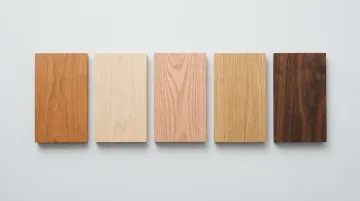
Quick pick guide:
- Cherry or walnut for premium, traditional kitchens with rich patina
- Maple for durable, clean-looking modern kitchens
- Red oak or alder for rustic style on a budget
- White oak for better moisture resistance without a heavy rustic look
So which wood wins overall? According to the 2024 US Houzz Kitchen Trends Study, solid wood was the primary cabinet material for 76% of homeowners renovating their kitchens, confirming it's still the clear favorite over engineered alternatives.
Stunning Wood Kitchen Cabinet Design Ideas
Wood cabinets aren't a one-size-fits-all product. The finish, layout, and pairing choices you make completely change the kitchen's personality. Here are the styles homeowners are asking for most.
Natural & Raw Wood Cabinetry
Unstained cabinets in raw oak or birch bring a warm, minimalist feel that fits Scandinavian and Japandi-style kitchens perfectly. The wood grain does all the talking here. Pair natural cabinetry with matte black or brushed brass hardware and white countertops for contrast that keeps the space from feeling flat.
Two-Tone Wood & Painted Combinations
This one's popular for a reason: it looks intentional and it saves money. Natural wood lower cabinets paired with painted upper cabinets (white, sage green, and navy are current favorites) create visual balance while showcasing wood grain exactly where it's most visible. Paint-grade materials cost less on the upper cabinets, which helps offset the price of premium wood below.
Dark & Moody Wood Tones
Espresso-stained walnut or riftsawn oak brings drama. This look pairs especially well with black hardware and marble countertops for a sophisticated, high-contrast kitchen that photographs beautifully. Deep tones like these also work well in open-concept layouts, anchoring the space against lighter walls and flooring.
Reclaimed & Rustic Wood Cabinetry
Reclaimed barnwood or fir cabinets bring character that new wood simply can't replicate. Knots, grain variation, and old nail holes tell a story, and they're a natural fit for farmhouse and cabin-style kitchens. It's also one of the more eco-friendly cabinet choices available.
Sleek Modern Slab-Front Wood
Flat-panel, handleless European-style cabinets in walnut or oak veneer create a streamlined look that's dominating modern kitchen design right now. No ornate details, no visible hardware, just clean lines and beautiful grain.
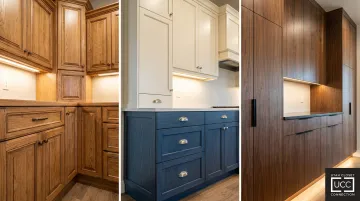
Whichever style speaks to you, Utah Closet Connection designs and builds custom kitchen cabinetry to your exact specifications, whether that means raw oak minimalism or walnut slab-front doors.
Trending Wood Cabinet Colors & Finishes
Color and finish choices shift faster than wood species preferences, and this year's data tells a clear story.
Medium and light wood tones are winning. NKBA's 2024 Design Trends report found that medium wood tones led at 60%, light tones followed closely at 57%, while dark tones trailed at just 18%. That doesn't mean dark stains are disappearing, though.
Deep espresso and dark walnut stains remain popular for homeowners chasing a moody, high-contrast aesthetic. They just aren't the dominant choice anymore.
Finish sheen matters too:
- Matte finishes feel soft and contemporary, and they hide fingerprints better
- High-gloss finishes reflect more light and read as more formal or glam
- Natural finishes have largely replaced the high-gloss trend of years past, according to manufacturers
Mixing stained wood with painted cabinetry continues to be a top pairing strategy. Think a white oak island surrounded by painted perimeter cabinets. This combination is practical and visually layered, letting one material take center stage while the other quietly supports it.
Current Trends in Wood Kitchen Cabinetry
Sustainability is no longer a niche preference. 19% of designers surveyed by the National Kitchen & Bath Association (NKBA) cited sourcing environmentally friendly materials as a specific cabinet goal, and reclaimed wood has become genuinely popular for the character each piece brings rather than just its eco-credentials.
Beyond materials, hardware and hybrid designs are shifting fast:
- Handleless, minimalist hardware continues climbing, with the same NKBA survey showing 66% of designers favoring flat-panel European door styles and 53% opting for integrated hardware
- Mixed-material designs combining wood with metal or glass accents (think clear glass inserts or metal trim) are showing up more in high-end kitchen projects
- Push-to-open mechanisms are replacing visible pulls for an even cleaner cabinet face
None of this means wood grain is fading into the background. If anything, designers expect wood-grain cabinetry to grow more popular, not less, over the next few years.
Choosing the Right Wood Cabinets for Your Kitchen
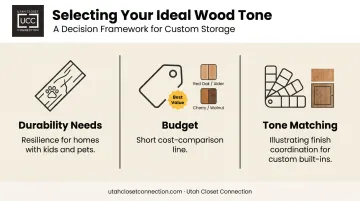
Picking the right wood comes down to three practical questions.
- How hard will your household be on the kitchen? Homes with kids or pets need scratch-resistant species like walnut or maple over softer woods like alder.
- What's your budget? Red oak and alder cost less than cherry or walnut, but door style and finish also swing the price.
- Does the tone complement your existing flooring and countertops? A cabinet that looks perfect in a showroom can clash badly once it's sitting next to your actual floors.
Before committing to a full order, request wood samples or swatches and view them in your kitchen's natural light at different times of day. Wood color shifts dramatically under morning light versus evening light, and what looks great on a screen doesn't always translate.
Working with an experienced local cabinet maker also helps avoid expensive mistakes. Utah Closet Connection offers a free design consultation for custom wood kitchen cabinetry, backed by a lifetime workmanship warranty on every installation. That combination of guidance and protection makes it easier to invest in wood cabinetry with confidence.
Frequently Asked Questions
What are the current trends for wood cabinetry?
Sustainable and reclaimed wood choices are gaining ground alongside minimalist, handleless hardware. Mixing stained wood with painted cabinetry, such as a wood island with painted perimeter cabinets, remains a leading combination.
What type of wood is best for kitchen cabinets?
Cherry, maple, and walnut rank among the most durable options thanks to their density and resistance to scratches or moisture. Oak offers a strong middle ground, balancing durability, style, and affordability.
What color wood kitchen cabinets are in style?
Honey-toned and light natural finishes currently lead, though deep espresso stains remain a popular secondary direction for homeowners wanting a moodier, high-contrast kitchen.
Is wood cabinetry more expensive than painted or MDF cabinets?
Yes. According to Angi, solid wood cabinets for a full kitchen typically run $5,000 to $25,000, compared to $2,000 to $7,000 for MDF. Wood costs more upfront but generally lasts longer.
How do I keep wood kitchen cabinets looking new?
Clean with a soft cloth and a mild dish soap solution rather than harsh chemicals. Wipe up spills immediately, avoid excess moisture, and keep cabinets out of direct sunlight to prevent uneven fading.
Can I mix wood cabinets with painted cabinets in the same kitchen?
Absolutely. It's one of the most popular design approaches today. Keep hardware finishes consistent throughout the kitchen so the two cabinet types feel connected rather than mismatched.